
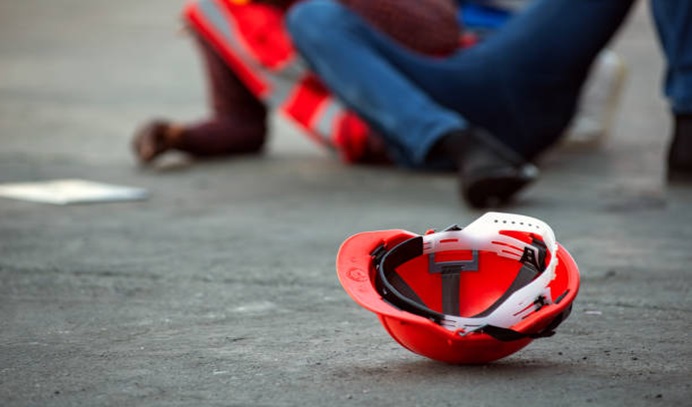
Construction sites are among the most hazardous workplaces, with workers facing risks from heavy equipment, elevated work areas, falling objects, and complex job site conditions. When an injury occurs, many people assume that workers’ compensation is the only available remedy. However, in some cases, a third party may share responsibility for the accident, creating additional legal options for injured workers.
Understanding Third-Party Liability
Third-party liability arises when someone other than the employer contributes to a construction site injury. While workers’ compensation typically covers medical expenses and lost wages regardless of fault, it may not fully address all damages resulting from a serious injury. Identifying a responsible third party can open the door to additional compensation.
Construction projects often involve multiple companies working together. General contractors, subcontractors, equipment suppliers, property owners, and manufacturers may all have duties related to maintaining a safe work environment. If one of these parties acts negligently and causes an injury, they may be held accountable.
Common Third Parties in Construction Accidents
Several types of third parties can be involved in construction site injury claims. Equipment manufacturers may be liable if defective machinery, tools, or safety devices contribute to an accident. Property owners may bear responsibility when dangerous conditions on the premises create unnecessary risks.
Contractors and subcontractors can also be held liable if their actions or failure to follow safety standards lead to injuries. In some situations, outside vendors or delivery companies operating on the site may contribute to unsafe conditions that result in harm.
Examples of Third-Party Responsibility
A worker may suffer injuries due to a malfunctioning lift, defective scaffold components, or improperly designed safety equipment. In such cases, the manufacturer or distributor of the defective product could be responsible.
Another example involves a subcontractor who leaves debris in a work area, creating a hazard that causes another worker to fall. If negligence by that subcontractor contributed to the injury, a third-party claim may be appropriate.
The Importance of Investigating Liability
Determining who is responsible for a construction site injury often requires a detailed investigation. Evidence such as accident reports, witness statements, safety records, and equipment inspections can help establish liability.
Because multiple parties may be involved in a construction project, identifying all responsible entities is an important step in pursuing fair compensation. A thorough evaluation of the circumstances surrounding the accident can help injured workers understand their legal rights and the potential avenues available for recovery.
Construction site injuries can have lasting physical, emotional, and financial consequences. Understanding third-party responsibility is essential for recognizing when additional parties may be held accountable beyond an employer’s workers’ compensation coverage.
This post was written by a professional at Kearney Law. At Kearney Law, we’re dedicated to delivering personalized legal guidance that puts your needs first. Whether you’re looking for
Personal Injury Attorney Tampa FL, a real estate attorney near you, a probate attorney near you, or a title attorney near you, our team is ready to provide the focused representation you deserve. We recognize that every client’s situation is different, which is why we take the time to understand your case and craft strategies that align with your goals. With a commitment to protecting your rights and securing the best possible outcome, Kearney Law offers trusted legal support with the attention and care you won’t find just anywhere.


